Vitamin D Deficiency Symptoms: The Complete UK Guide

Last updated 11 November 2026. This is general information, not medical advice.
Quick answer: The most common vitamin D deficiency symptoms are bone pain, weak muscles, feeling very tired, and low mood. Many people have no signs at all. Only a blood test can confirm it. See your GP if pain or weakness lasts more than a few weeks.
Dark mornings. Cold days. You feel tired and achy. Could it be low vitamin D?
It could. In the UK, about 1 in 6 adults and nearly 1 in 5 children have low levels, says the UK National Diet and Nutrition Survey (2019–2023). A 2025 government survey also found that almost 1 in 5 adults aged 19 to 65 were low.
This guide shows the real signs, the myths, and what to do next.
What are the main vitamin D deficiency symptoms in adults?
Vitamin D helps your body use calcium. Calcium keeps your bones and muscles strong. So low vitamin D often shows up there.
-
- Bone pain. A dull ache in your back, hips, legs, or ribs.
- Weak muscles. Stairs feel harder. Standing up from a chair is a struggle.
- Muscle aches or cramps.
- Feeling tired all the time, even after a good night of sleep.
- Low mood. Studies link the two. But we cannot say one causes the other.
- Catching colds often. Vitamin D helps your immune system.
If levels stay very low for a long time, adults can get osteomalacia. This means soft bones and pain all over the body.
What are the symptoms in children and babies?
Children show different signs:
- Bone pain. A child may not want to run or walk.
- Soft bones and bowed legs. This is called rickets.
- Slow growth or late teeth.
- Crankiness and more infections.
Babies with very low vitamin D can get muscle spasms, fits, or trouble breathing. This happens because their calcium gets too low. This is an emergency. Get medical help straight away.
Which signs are often overhyped?
Hair loss, pale skin, poor sleep, and low appetite appear on many online lists. The proof for these is weak. Patient.info says the exact meaning of some of these links is not fully understood.
They can have other causes, like low iron, thyroid problems, or stress. Do not guess. Get tested.
Why are the signs so easy to miss?
- They build slowly. You get used to feeling tired and achy.
- They are vague. People blame age, work, or the winter blues.
- Many people have none. You can be low and feel fine.
The weather plays a part too. In the UK, your skin can only make vitamin D from sunlight between April and September, mostly around 11am to 3pm. One UK survey, cited in a 2018 study, found deficiency in about 8.4% of white adults aged 19 to 64 in summer. In winter it was 39.3%.
Who is more likely to be low?
You may be at higher risk if you:
- Are over 65
- Are pregnant or breastfeeding
- Have darker skin, or cover most of your skin outdoors
- Spend most of your time indoors
- Eat a vegan diet or do not eat fish
- Have gut, liver, or kidney problems
- Take some medicines, such as certain anti-seizure drugs
- Have a child aged 1 to 4
How can you be sure?
Symptoms alone cannot tell you. Your GP can arrange a blood test called 25-hydroxyvitamin D. In UK guidance:
- Below 25 nmol/L: higher risk of deficiency
- 25 to 50 nmol/L: levels may be too low
Your doctor will explain your result and what to do.
What can you do now?
The UK government says everyone aged 4 and over should consider a daily 10 microgram (400 IU) vitamin D supplement from October to March. If you are in a higher-risk group, your doctor may say to take it all year. Do not take large doses unless a doctor tells you to. Too much vitamin D can be harmful.
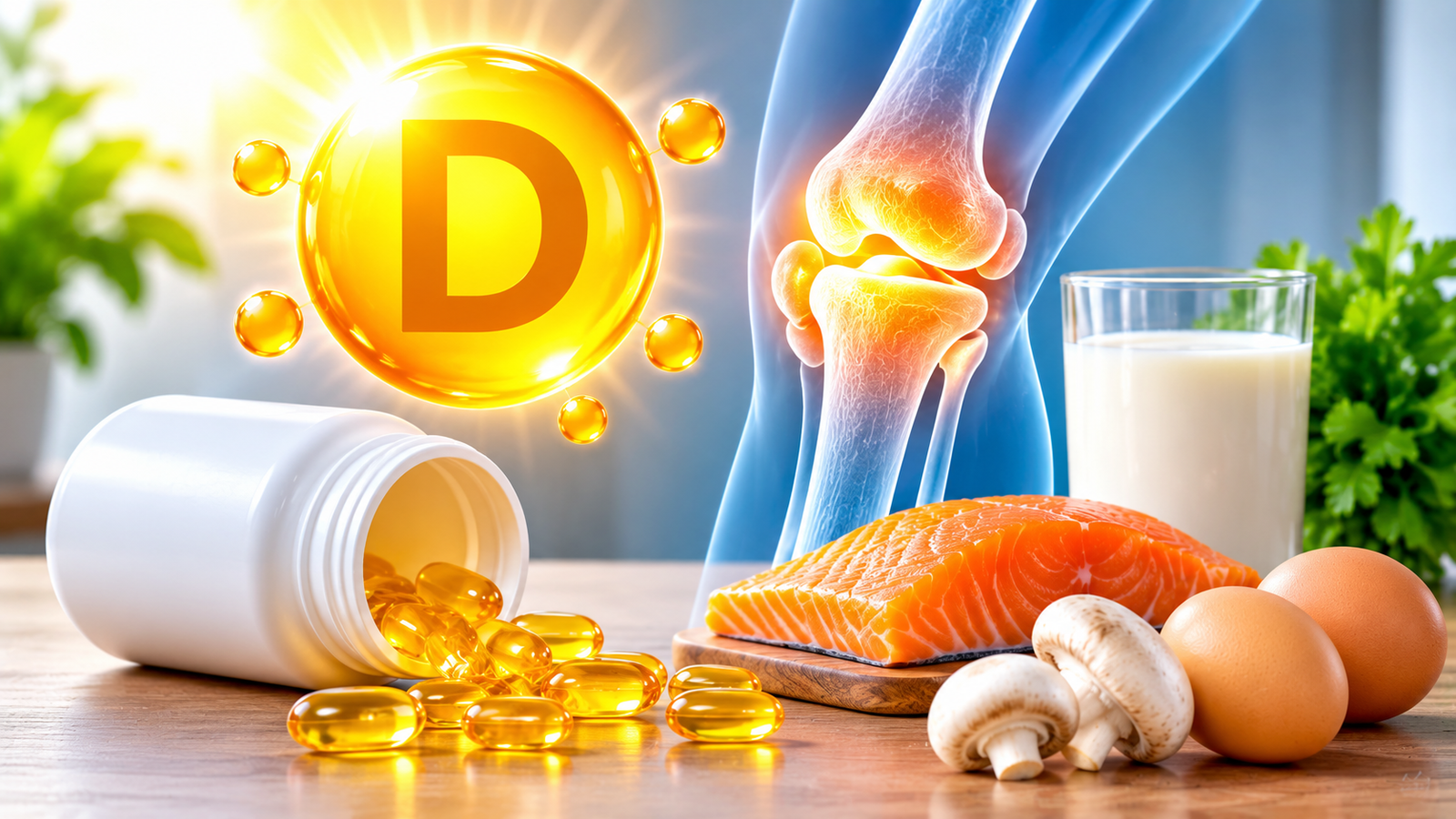
Food helps, but it rarely does the whole job. A 140g portion of grilled mackerel has about 11.9 µg. Baked salmon has about 10.2 µg.
One boiled egg has about 1.6 µg.
From April to September, a little safe time outside helps. Avoid sunburn.
When should you see a GP?
Book an appointment if you have:
- Bone pain or weak muscles for more than a few weeks
- Trouble with stairs or standing up
- Broken bones from small knocks
- A child with bowed legs, bone pain or slow growth
Get urgent help if a baby has fits, muscle spasms or trouble breathing.
FAQs
What are the first signs of vitamin D deficiency?
Usually tiredness, aching bones and weak muscles. They start mild and build slowly, so many people miss them.
Can you have vitamin D deficiency and feel fine?
Yes. Many people have no symptoms or only vague ones. A blood test is the only way to know.
Can low vitamin D cause tiredness and low mood?
It can play a part. But tiredness and low mood have many causes. Your GP can check vitamin D and other things too.
How long does it take to fix a deficiency?
It can take a few weeks to several months. It depends on how low your levels are and the treatment your doctor suggests.
Can winter sunshine in the UK give me enough vitamin D?
No. From October to March the sun is too weak for your skin to make enough. That is why UK advice is to consider a daily supplement in these months.
The bottom line
Vitamin D deficiency symptoms are often quiet. Bone pain, weak muscles, tiredness and low mood are the main clues. Do not guess. If you are worried, get a blood test and talk to your GP