What Should Building Managers Know About Commercial Elevator Repair?

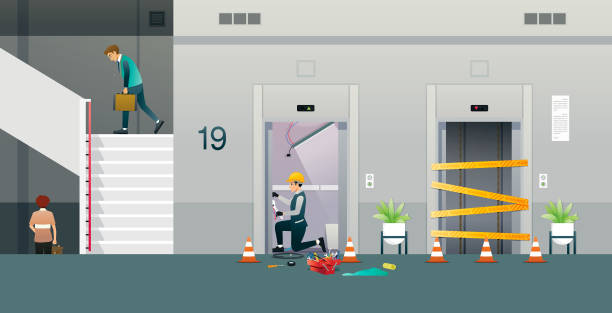
Problems with the elevator can turn into a big hassle for a building’s manager. An elevator that doesn’t work can make it difficult to handle daily tasks and access the building and can irritate tenants and guests. It is important for the manager to identify early warning signs, know what repairs to do first and communicate clearly with qualified technicians. In addition, they should take into account the age of the equipment, maintenance records, downtime, safety considerations and any possible costs before determining the best way to resolve a hassle or ongoing problem with an elevator.
A failure could be a hassle for business properties and ruin business operations. To perform commercial elevator repair services, it is not enough to simply come to the rescue when the elevator malfunctions. It is important for managers to be familiar with the processes used by technicians to identify faults, inspect damaged parts, calculate repair costs and decide whether repairs are feasible. They also rely on the accurate records of their services to help them predict future problems and schedule maintenance. A structured approach enables managers to make informed decisions and effectively communicate with owners, occupants, contractors and others.
What Should a Building Manager Check When an Elevator Starts Acting Up?
If the elevator is becoming unreliable, there are likely to be some warning signs. Any changes of ride quality, door operation, sound or stopping accuracy will be helpful. These changes should be documented on the building by the building manager and communicated to a qualified elevator professional. A detailed description can help the diagnostic process to be more efficient.
Managers will also want to ask if it’s happening once or repeatedly. If your engine has had a repeat fault, it could mean there is a serious fault with your equipment. So, the service history may be as significant as the most recent of complaints.
What Warning Signs Should Never Be Ignored?
There are a few changes that need to be addressed. Any unusual noises may be related to the mechanical wear or to a part that is stressed. If there are vibrations, it could signify issues with moving equipment or alignment. If the machine moves slowly it could also mean that there is a problem with the controls, motors or the other components.
Particular considerations should be given to door problems since doors are in use at each passenger cycle. If the closing time is not on schedule, the door repeatedly opens, the door’s movement is unusual or the operating behavior changes, it could be a malfunction. Uneven levelling is also a concern, as people may fall when a car doesn’t sit properly with the floor.
There is another worry when frequent shutdowns occur. If there are occasional errors, that’s fine, but if they are occurring again and again, then there is possibly a recurring issue with the equipment. Managers should make some notes on the fact of failure, the floors involved and the symptoms to be stated by the passengers. These details enable the technician to have useful information prior to inspection.
When Is an Elevator Problem Urgent?
Not all elevator problems are of equal importance. A cosmetic concern is not a movement issue or a potential concern with the safety system. If doors are unsafe, leveling is severe, doors move in an unusual way or doors frequently shut down, it is important for them to get a professional evaluation immediately.
Local requirements and the guidance of qualified elevator professionals should be followed to determine if equipment should remain in service. They should also not consider repeated faults as normal activity. A reset might bring the device back online, but it will not fix the problem.
What Actually Happens During a Commercial Elevator Repair?
A professional repair typically does not start with part replacement but first attempts to diagnose the issue. The technician checks equipment and symptoms as reported. Testing then can be used to determine the part or system that is causing the issue.
The repair procedure may be quite different for electric, hydraulic, traction, and machine-room-less systems. The process is also influenced by the age of the equipment. Older systems may include obsolete parts and/or require further evaluation prior to any corrective work.
Which Elevator Parts Commonly Need Attention?
The mechanical, electrical and control systems are interdependent in elevators. Frequent use of door operators and sensors can cause them to malfunction. Electrical or communications issues could occur in controllers and drives. Other mechanical parts, such as motors, brakes and the like can need attention as well.
There are extra devices to be assessed by a specialist with hydraulic elevators. Pumps, valves, cylinders and all the related components can be part of a hydraulic system. The components used in traction elevators are different to those used in hoisting elevators and consist of ropes, sheaves, motors, brakes and controls.
There are safety parts that need extra attention as they are crucial in the functioning of an elevator. Techniques are to evaluate equipment as per codes, manufacturer requirements, and local regulations. The A17.1/CSA B44 standard, which is published by the American Society of Mechanical Engineers (ASME), provides guidance for elevator design, operation, inspection, testing, maintenance, alteration and repair in Singapore.
How Do Elevator Technicians Find the Real Problem?
Symptoms reported by building staff or building occupants are the first step in diagnosis. The elevator can then be inspected by the technicians, and they can check the fault information available in the elevator. They can test electrical circuits, mechanical components, controls or other systems depending on the problem reported.
A good diagnostic process is to try and see beyond the symptom, which is visible. For instance, if your doors continue to have issues, there could be several potential causes that require further investigation. When replacing a part and the cause of the problem is not identified, there can be another service call.
Once the fault is identified, the technician is able to describe the work necessary to repair the fault. The manager should be provided a clear description of the problem, suggested repair, necessary parts and planned testing. This information helps to provide a sound basis for approval and budgeting.
How Much Can Commercial Elevator Repairs Cost?
There are a number of factors involved in elevator systems, such as design, age, condition and complexity, that make repair costs different. The investment in a controller, motor, or any other major hydraulic component might be quite distinct from the investment in a minor component of the door.
Managers should not be considering the cost of a repair as the sole criterion. They should take into account how often they need to repair it, its likely lifespan, downtime and its correlation with other equipment issues. In the case of repeated failure, perhaps a lower-cost repair will no longer be considered.
What Factors Change the Repair Price?
There are a number of factors that affect the final price. The components and technical procedures used will depend on the type of elevator. The severity of the fault also is important. Some adjustments may only take a little labor, whereas more labor may be needed for major component replacement. Availability can also impact both the price of the part and its delivery date. Older equipment may need more difficult-to-obtain parts. Emergency service can result in extra costs, as emergency personnel might be required to go outside of service arrangements.
There are also different labour needs. Other repairs may need special expertise, testing equipment or coordination with other building systems. Appropriate inspections and testing may prolong the entire process. When possible, provide an itemized quotation from managers. The quotation should specify the cost of labor, parts, testing and other pertinent costs. This way, it’s simpler to make comparisons and see what the building is getting.
When Does Repair Make More Sense Than Replacement?
Repair may be the best option when the elevator is only partially out of order, and a small component is the issue. In addition, managers should take into account the previous repair history and age of the elevator.
There can be frequent downtimes, which can alter the calculation. If a significant repair is needed on an older elevator several times, a more comprehensive life cycle assessment of the building could be necessary. The availability of parts can also have an impact on the selection.
Just because it cost us one big repair doesn’t mean replacement is the only option. Instead, managers should consider downtime, safety issues, equipment condition, how often the equipment needs repair, and future modernization needs. An authorized expert will have the ability to evaluate these aspects and make a sensible suggestion.
What Safety and Compliance Responsibilities Do Building Managers Have?
Safety on the elevator is more than just reacting to emergencies! It is also important that building managers are aware of the inspection schedules and maintenance records, the type of testing required, and the local regulations. The requirements vary in different jurisdictions, so managers should confirm the requirements that apply to their buildings. ASME recognizes that property and facilities management is part of those groups that are involved with elevator safety. It has standards that cover such aspects as inspection, testing, maintenance, alteration and repair.
Which Inspection and Maintenance Records Matter?
The accurate record provides the management with a history of the elevator’s condition. Records that may be useful include inspection certificates, maintenance reports, repair invoices, test results, deficiency reports, and corrective work completed.
It is important to also note any recurring issues that managers may encounter. If the issue with a door is ongoing or door shutdowns have occurred several times, it may indicate a pattern that can’t be clearly seen from an individual service visit.
Documentation of maintenance is also important when managing the change of contractors. A new provider can look at past work and know the equipment’s service history. ASME training materials target the elevator maintenance management aspect of maintenance records and maintenance control programmes.
When Should an Elevator Be Taken Out of Service?
If the elevator is determined by a qualified professional to be in a condition that is unsafe, the elevator can be removed from service. These can range from serious or fatal doors faults, abnormal movement, significant levelling issues or safety system issues.
Appearance should not be used as the sole basis for making a technical decision. Rather, they must abide by relevant rules and professional advice. When an elevator is considered unsafe, its continued use, due to the desire to not inconvenience the occupants, can turn into a bigger management problem.
Communication is important even when things aren’t going so well. Occupants should be alerted to an outage and given alternative access as appropriate. They should also record why the service is being shut down and what is being done to restore the service. n.
How Should Managers Choose an Elevator Repair Company?
The contractor has the opportunity to affect the quality of the repair, its response time, the documentation and the future planning of the service. Price is not the only factor to consider when evaluating providers, however.
The right provider should be familiar with the type of elevator that is installed in the building. If they have some experience with the equipment, it may make it easier to make a diagnosis and to order parts. It’s also important for managers to check the provider’s credentials and coverage prior to signing an agreement.
What Should You Ask Before Hiring a Repair Contractor?
First of all, ask about the experience with comparable business elevators. Managers may also enquire about the licences required, insurance, emergency response, service coverage, and references.
You should also enquire about the method used to keep records of repairs performed. Service reports should include that the problem was, the findings were, the work done was, the parts were used and the follow-up recommendations were.
Managers should question the people that call to the station in case of emergencies and their response time. Managers should ask who calls to the station in case of an emergency and how quickly the technician usually shows up. The terms and conditions of the contract may vary, so it is important that the expectations for the response are clearly written.
What Should Be Included in the Service Agreement?
The scope of work and responsibilities of both parties should be outlined in a service agreement. It should include a description of routine maintenance, emergency response, labor, parts, testing, and documentation.
Also, it’s important for managers to check exclusions. Some contracts include labor and fees for parts/repair if they are of a particular or major concern. Other hospitals may have other rates for emergency visits.
There are communication procedures as well. It should define the process for reporting faults to the technicians and the method of managers giving permission for additional work. When unexpected repair work arises, it will ease confusion if the terms are clear.
How Can Managers Reduce Repeat Elevator Problems?
Multiple breakdowns can cause frustrations for the occupants and unforeseen expenses for the owner. Managers can limit uncertainty by keeping a clear record of the services they have provided and by looking at common problems and issues.
It is rare that a repair record includes the complete repair story. When management compares service dates with failed components, downtime and previous recommendations, it becomes more apparent.
Which Elevator Records Should Be Tracked Over Time?
Managers should monitor a variety of dates and components replaced, frequent failures, inspection results, downtime, service calls, repair expenses, and equipment age.
These records establish a convenient maintenance history. For instance, if multiple repairs are performed on the same system and within a brief timeframe, then it could be a more significant reliability issue. Records also help to inform budget planning. Managers can make a comparison between the current spending on repairs and costs in the past and determine equipment that might need modernization planning.
When Should Modernization Enter the Conversation?
If the elevator has a lot of breakdowns, maintenance is increasing, hardware is getting older, or components are becoming increasingly difficult to source, modernization is a consideration. The decision should be based upon a more comprehensive equipment evaluation and not single failure.
A modernization can be a selected system or equipment changes. The proper scope will depend on the elevator condition, building needs, technology, regulations and budget.
When repairs become more commonplace, managers should try to consider long-term solutions with experienced experts. Planning early will provide owners with more time to compare options and costs of a project.
Conclusion
The building manager must have a clear strategy for handling elevator problems, starting with the early warning signs and going up to deciding on repairs and planning for the future. The safety, condition of equipment, cost, service history and local requirements must all be taken into account when considering commercial elevator repair. Good records will identify mistakes that may be repeated and help to plan future expenses. Managers should also collaborate with licensed individuals who are able to give a diagnosis and whose services are documented. If repair work is becoming a regular occurrence, then modernization might be appropriate. Having a practical maintenance scheme helps to keep building operations neat, and ensures that occupants and visitors can maintain a reliable vertical transportation system.
FAQs
How often should commercial elevators be inspected?
Inspection frequency depends on local regulations, elevator type, and building requirements. Regular professional inspections can identify faults before they become serious issues.
What are common signs an elevator needs repair?
Unusual noises, vibrations, slow movement, door problems, and uneven leveling can indicate developing faults. Repeated shutdowns also deserve prompt professional assessment.
When should an elevator be repaired or replaced?
Repair may be practical when the equipment remains in good condition and the fault is limited. Frequent breakdowns, outdated components, and rising repair costs may indicate modernization or replacement.
What does commercial elevator repair usually involve?
Commercial elevator repair typically involves diagnosing the fault, inspecting components, replacing or adjusting damaged parts, and testing the system. Technicians should also document completed work and recommend necessary follow-up.