6 Proven Tips for Making Better Kraft Packaging Choices

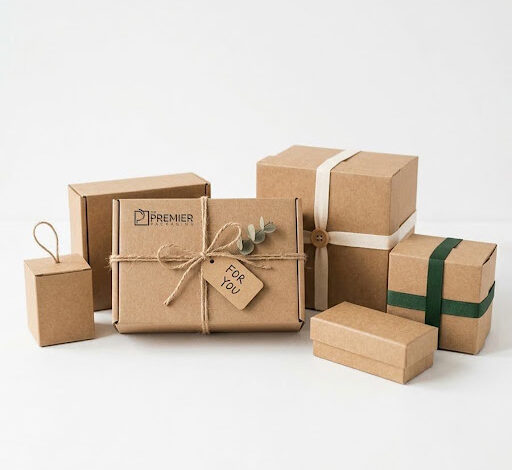
There’s something about Kraft packaging that just makes a product feel put-together, simple, clean, a little understated. That natural brown surface works across a surprising range of categories: handmade goods, cosmetics, food, clothing, gifts, and small retail items. But picking Kraft packaging isn’t as simple as grabbing a brown box and slapping a logo on it.
Size, thickness, construction, printing, purpose, all of it matters. A box that photographs beautifully on a product page can fall apart the moment it hits a shipping conveyor. And on the flip side, a heavy-duty package might be total overkill for something that weighs almost nothing.
If you’re rethinking packaging for your products, these six tips should help you land on something that actually holds up outside of a mockup.
1. Start With the Product, Not the Box
Packaging should follow the product’s lead, not the other way around.
Look at the size, weight, shape, and fragility. A bar of soap doesn’t need what a glass bottle needs. A jewelry set probably needs an insert so the pieces don’t shift around, while a light gift item might just need a snug box.
Ask yourself what actually happens to the product once it’s sealed inside. Will it slide around? Could it get crushed under other boxes? Does moisture matter here? Is it getting stacked?
These might sound like obvious questions, but skipping them is exactly how businesses end up with expensive mistakes once they’ve already ordered in bulk.
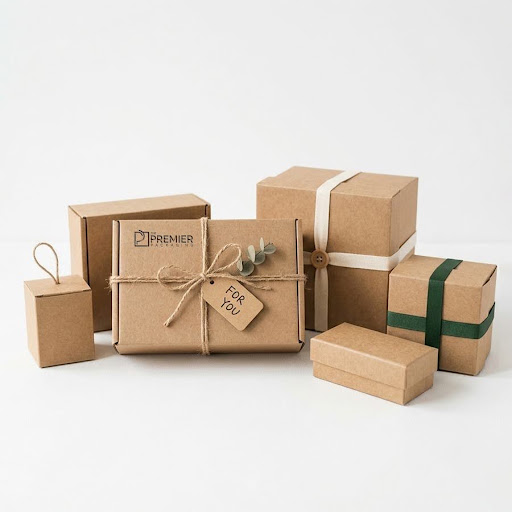
A pillow-style box, for instance, works well for small retail items; its curved shape gives it a distinctive look without needing a complicated opening mechanism.
2. Don’t Treat All Kraft Material the Same
Not every Kraft box offers the same level of protection, even if they all look similar from the outside.
Match the thickness and construction to what the package will actually go through. Something meant to sit on a store shelf doesn’t need the same strength as something headed into an e-commerce delivery network.
Corrugated kraft board is worth using when you need a real structural backbone. The fluted middle layer absorbs everyday bumps and pressure while keeping things relatively light.
Think about the whole journey the product takes, not just how the package looks sitting still. A box can look sturdy on a shelf and then get completely roughed up once it’s moving through a warehouse and a delivery van.
And resist the urge to just default to the heaviest, strongest material available. More strength means more material, which means more cost. The goal isn’t maximum protection, it’s the right amount.
3. Get the Size Right
Dimensions are one of the easiest things to get wrong, and fixing them is one of the easiest wins available.
Too small, and the product gets squeezed, corners get damaged, and packing turns into a wrestling match. Too big, and you’ve got wasted space plus the added cost of filler material to keep things from rattling around.
The sweet spot gives the product room to sit comfortably without sliding all over the place.
When measuring, use the product’s packed size, not its bare dimensions. Factor in tissue paper, inserts, or any protective material you plan to use.
For businesses shipping in volume, this isn’t a small detail. Better-fitting boxes mean faster packing and less filler burned through order after order.
4. Keep the Design Purposeful
Kraft already has a built-in visual identity that natural brown tone reads as warm, handmade, or minimalist depending on how it’s styled.
That doesn’t mean you need to plaster the whole surface with graphics.
Sometimes a small, simple logo does more than a busy design ever could. A single-color print, a short brand message, a product label, or one well-placed pattern can finish the look while still letting the kraft material itself carry part of the design.
This tends to work especially well for small businesses that want their packaging to feel personal instead of overly polished and commercial.
Whatever you go with, keep it readable. Tiny text, low-contrast ink, or too many decorative flourishes can bury information customers actually need to see.
5. Think About How It’ll Be Stored
Packaging has to hold up long before a customer ever lays eyes on it.
If your business keeps packaging supplies in a warehouse, stockroom, or back office, think about how well those boxes stack and store. Flat-packed kraft takes up dramatically less space than pre-assembled boxes.
The same logic applies to products that have been sitting in inventory for a while. Seasonal clothing, fabrics, or accessories that sit for weeks or months before selling benefit from protective packaging that keeps them clean in the meantime.
Businesses managing larger textile inventories might also look at dedicated storage boxes to keep products sorted by size, collection, color, or season.
A little upfront organization here saves employees a surprising amount of time down the line.
6. Look Past the Sticker Price
Cost matters, sure, but the cheapest unit price isn’t always the cheapest overall.
Say you buy a dirt-cheap box that’s a pain to assemble. If staff need extra time to pack every single order, those “savings” quietly evaporate into labor hours. The same goes for flimsy packaging; if products start arriving damaged, you’re now dealing with replacements, returns, bad reviews, and frustrated customers.
Before comparing options on price alone, look at the fuller picture:
| Factor | What to Check |
| Unit price | How much does each package cost? |
| Material | Is the board suitable for the product? |
| Size | Does it fit without excessive empty space? |
| Assembly | How quickly can staff prepare it? |
| Protection | Can it handle normal storage and shipping? |
| Printing | Does the design support your branding? |
| Storage | Can unused packaging be stored efficiently? |
| Customer experience | Is it easy to open and handle? |
That gives you a far more honest comparison than price tags side by side.
Kraft Packaging Styles Worth Knowing
Kraft comes in many different shapes, so it’s worth matching the structure to how the product will actually be presented.
A tuck box suits products where customers want a quick, no-fuss opening experience. Mailer boxes tend to make more sense for anything shipped directly to a customer’s door. Sleeves offer branding real estate without fully enclosing the product in an outer box.
Pillow-style boxes are also worth a look for smaller items and gifts. A Paper Mart Kraft Corrugated Pillow Box, for example, combines that distinctive curved shape with the added strength of corrugated construction.
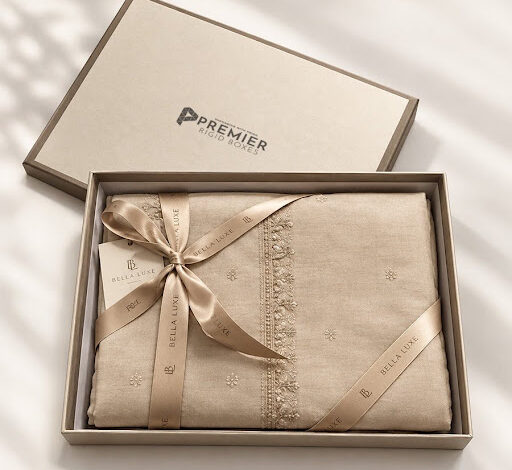
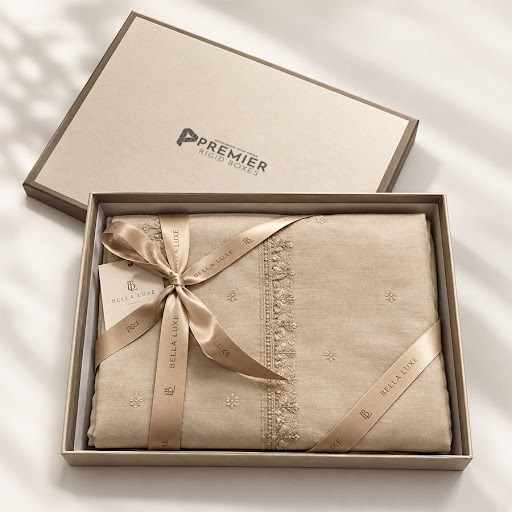
For premium products, a more structured option might be worth the investment. Suppliers focused on rigid box construction can offer packaging with more heft and a more substantial feel in hand.
Ultimately, the structure should be chosen based on how the product will actually be used, not just what looks nice in a catalog.
Remember the Customer’s Experience
For many online shoppers, packaging is the first physical touchpoint with your brand.
It doesn’t need to be over the top. Honestly, packaging that goes too far can backfire, especially with customers who are actively trying to cut down on household waste.
What matters most is that the package arrives intact, opens without a fight, and presents the product cleanly. A well-placed logo, crisp printing, an easy-open closure, or a short thank-you note can go a long way toward making a package feel intentional. The product itself should still be the star of the show.
Brands looking for something more structured or premium can look into custom solutions suppliers like The Premier Packaging, which handles that kind of work.
A Simple Way to Test Before You Commit
Before placing a bulk order, get samples and actually test them with real products.
Pack the item exactly as your team would for a normal order. Check how it fits. Close it up. Stack a few together. If it’s going to be shipped, run a handful of test packages through your usual delivery process.
Watch for the kind of problems that don’t show up on a spec sheet:
- Does the product shift around inside?
- Is the package awkward to close?
- Does the material bend or dent too easily?
- Is there more empty space than expected?
- Does the printing come out clear?
- Can staff pack orders at a reasonable pace?
- Does it actually look good once it’s opened?
Real-world testing tells you things a spec sheet never will.
Final Thoughts
Better kraft packaging isn’t really about chasing a particular style; it’s about making practical calls, one at a time.
Start with the product. Pick a material that matches what it needs. Nail the dimensions. Keep the design intentional rather than crowded. Factor in storage. Don’t focus on unit cost; also consider the total cost. These are the steps to prevent packaging that looks fabulous in the picture but fails in real life.
Careful design and implementation below the surface is the foundation that best supports Kraft. When it comes to the very first product or packaging, an update for an already established business, it is the one that will protect your product, fit your brand, function efficiently, and make perfect sense for those who open the box.