Ideas for Using Textile Packaging to Save Fabric and Present Products Better

Clothing spends more time inside a box than most people realize. It sits in a warehouse for a while, gets shuffled between facilities, rides in a delivery van, and eventually lands on someone’s doorstep. Along the way, it picks up dust, gets bumped around, and sometimes gets crushed under other packages, and all of that shows by the time it reaches the buyer.
So for a textile business, packaging isn’t just wrapping paper around a finished product. It keeps the garment clean, helps warehouse staff stay organized, and honestly, it shapes how a customer feels the moment they open the box.
Here’s the thing, though, there’s no one-size-fits-all answer. A cotton t-shirt doesn’t need what a silk scarf needs. A bedding set has different requirements than an embroidered dress with delicate beadwork. Good packaging starts by acknowledging that these products aren’t the same and shouldn’t be treated the same way.
What’s the Actual Job of Textile Packaging?
Before anyone starts picking colors or designing a logo, it helps to ask a simpler question: what does this package need to do?
At minimum, the product should show up looking the way it did when it left the production floor, not dusty, not damp, not crushed, not covered in friction marks from rubbing against other items in transit. For some garments, a simple fold and a paper wrap does the trick. Others genuinely need an inner liner plus a sturdier outer box.
Then there’s storage, which many businesses forget about until it becomes a headache. Clothing can sit in inventory for weeks, sometimes months. Boxes that don’t stack well, that are the wrong size, or that aren’t labeled properly turn warehouse work into a scavenger hunt.
A package that actually does its job makes life a little easier for both the business and the customer.
Picking a Material (Without Just Chasing Trends)
The material should fit the product, not whatever’s popular on packaging blogs this month.
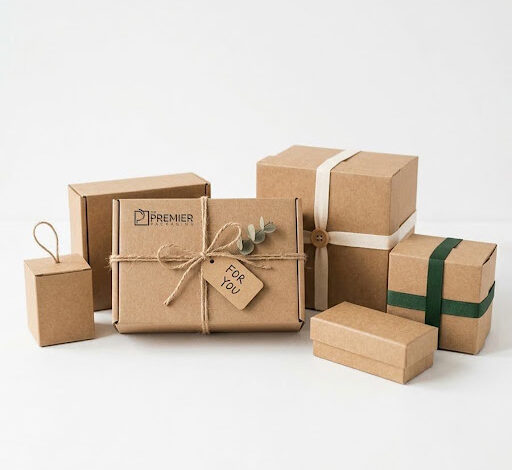
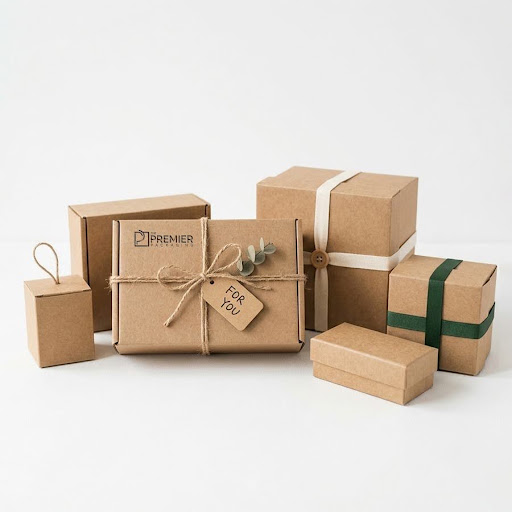
Kraft paper works well for sleeves, wraps, and lightweight bags. It’s got that natural, understated look that a lot of eco-minded brands gravitate toward, and there’s enough surface area on it for basic branding without it feeling cluttered.
Paperboard boxes add a bit more structure and are good for folded clothing, accessories, or gift sets. One real perk here is the printing surface: logos, care instructions, collection details, all of it fits cleanly on a paperboard box.
Corrugated boxes are the practical choice for e-commerce shipping, especially over longer distances. They hold up better to compression and rough handling than anything made of lightweight paper, and they’re a natural fit when multiple items are shipped in a single order.
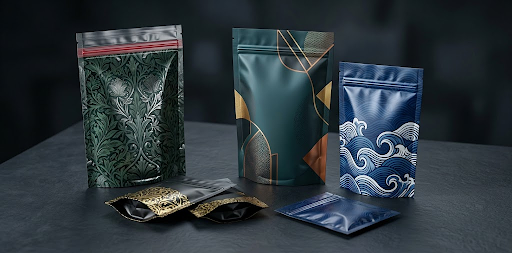
Fabric pouches earn their keep when presentation actually matters, such as scarves, lingerie, handmade pieces, and luxury accessories. And there’s a nice bonus: customers tend to keep the pouch. It becomes a travel bag or a little organizer instead of being thrown away the moment the box is opened.
Stop Sizing the Box Bigger Than the Product
This sounds like a small thing, but it’s worth double-checking anyway.
Extra empty space inside a box means more room is wasted during shipping and storage, and it also lets the product shift around, which can cause creasing or damage that nobody notices until the customer opens it. Right-sizing solves both problems at once: measure the folded garment, then leave just enough room for whatever protective material is genuinely needed.
For online clothing retailers moving thousands of orders a month, this isn’t a minor tweak. Shave a little off every box, and it adds up fast across that kind of volume.
Sustainability Deserves More Than a Buzzword
Packaging conversations these days almost always drift toward sustainability, which is good, but it deserves a more careful look than “plastic bad, paper good.”
Whether a material is actually better for the environment depends on how much of it gets used, how it’s shipped, and whether the customer even has access to recycling for it. Sometimes the smarter move isn’t swapping materials at all, it’s using less packaging in the first place. Cutting an unnecessary inner layer can do more good than switching that same layer to a “greener” material. And packaging designed for reuse often beats anything built for a single trip to the trash.
The point is to look at the whole journey a package takes, not just slap an “eco-friendly” label on one part of it and call it done.
When Reusable Packaging Actually Makes Sense
Not every product needs packaging designed for reuse, but some genuinely benefit from it.
Picture a premium scarf arriving in a fabric pouch. After the unboxing, that pouch doesn’t disappear it becomes somewhere to keep jewelry, or the scarf itself when it’s not being worn. The packaging keeps working long after the sale is done. That kind of thing tends to land best with gift-oriented or higher-end products.
One caveat: reusable only means something if it’s actually convenient. Slapping the word “reusable” on packaging nobody has a reason to keep doesn’t add value; it just adds a talking point.
Storage Matters Just as Much as Shipping
A lot of businesses focus on the box that goes out the door and forget everything that happens before the sale.
Inventory sitting in storage still needs protection from dust, excess handling, and getting squished under other stock. And it should be easy for staff to tell what’s inside a box without opening five of them first. For larger inventories, separating stock by collection, size, color, season, or SKU with dedicated Textile Storage Boxes makes a real difference, and clear labeling alone can save employees a lot of wasted time.
Let the Packaging Match the Product
Packaging should feel like it belongs to the product, not like an afterthought bolted onto it.
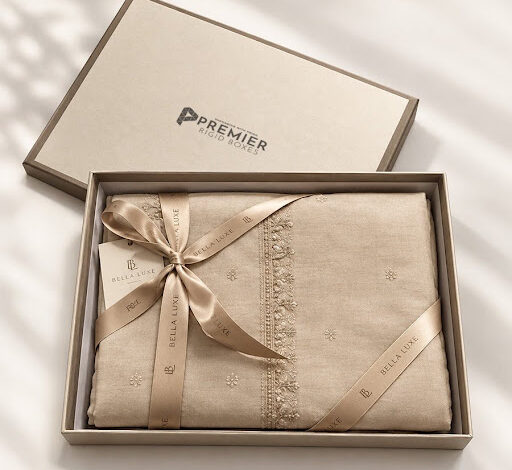
A luxury label and a budget everyday retailer shouldn’t be reaching for the same presentation. A handmade textile business probably wants something that feels personal rather than heavily branded and commercial. A premium brand might lean into a rigid box, tissue paper, and a small printed card. A casual clothing company might do just fine with a branded paper mailer. A sustainability-focused brand might strip things back to a simple recyclable structure with minimal printing.
It’s not about piling on design elements; it’s about whether the package actually feels right for what’s inside it.
The Little Things Shape the Unboxing Experience
Customers notice more than businesses expect.
A garment folded neatly, wrapped in tissue, and sitting inside a well-finished box just feels different from one that’s been shoved into a flimsy shipping bag. None of this requires an elaborate, expensive unboxing setup; even small touches go a long way:
- A neatly folded product
- A short thank-you note
- A branded sticker
- Printed care instructions
- Tissue paper
- A logo placed where it’s actually seen
- An easy-open closure
The goal isn’t to overwhelm the customer; it’s to make opening the box feel simple and a little bit special.
Before Placing a Big Packaging Order
Test it first. Actually fold the garment the way it’ll be shipped, put it in the proposed package, and see what happens. Is there too much dead space? Does it close properly? If it’s going into the shipping system, think about how it’ll hold up after a few rounds of handling.
Cost matters, obviously, but the cheapest option upfront isn’t always the cheapest one overall. Damaged goods, wasted material, awkward storage, and slow packing processes all add hidden costs that don’t show up until later.
Brands after something more structured or premium can look into custom solutions suppliers like Premier Rigid Boxes, which handle that kind of work.
Where This Is All Heading
Textile packaging isn’t really trying to find one magic replacement material for everything. It’s moving toward smarter, more deliberate decisions that consider size, material use, recyclability, reuse, shipping efficiency, and what customers actually expect, all while remaining affordable enough to use at scale.
That balance is the hard part. A gorgeous package that costs too much to produce consistently isn’t really a solution. Neither is dirt-cheap packaging that damages products and drives up returns.
The packages that work best usually sit right in the middle: enough protection, enough personality, and nothing extra tacked on just because it looks nice.
The Bottom Line
Good textile packaging starts with how the product how it’s folded, stored, shipped, opened, and stored again once it’s in the customer’s hands.
Kraft sleeves, paperboard boxes, corrugated mailers, reusable fabric pouches, there’s no shortage of options. What’s right depends on the product itself, the budget, the shipping conditions, the brand’s image, and how much protection the item actually needs.
Instead of chasing every new packaging trend, textile businesses tend to get further by solving the basics first. A package that protects the product, fits it properly, looks like it belongs, and doesn’t waste material is already doing its job well.