Blood Pressure Health: How to Check It at Home

Blood pressure health in one minute
Good blood pressure health means your readings stay below 120/80 mmHg most of the time. Above that, your heart and blood vessels work harder than they should. Over the years, that extra strain can damage your heart, kidneys, and brain.
The tricky part? High blood pressure usually has no symptoms. You can feel perfectly fine and still be at risk. The only way to know is to measure.
What do the numbers mean?
| Category | Top number | Bottom number |
| Normal | Under 120 | and under 80 |
| Elevated | 120-129 | and under 80 |
| Stage 1 high | 130-139 | or 80-89 |
| Stage 2 high | 140 or more | or 90 or more |
| Severe (get urgent help) | Over 180 | or over 120 |
These categories come from the 2025 American Heart Association and American College of Cardiology guidelines. They stayed the same as in 2017.
Why “normal” depends on where you live.
Here is something most articles skip. Different countries use different cut-offs.
US guidance flags 130/80 as high. In the UK, the NHS usually uses 140/90 in a clinic and 135/85 when you measure at home. Neither is “wrong.” They follow different rules for different health systems.
So use the table above as a guide, then follow what your own doctor tells you.
What’s new in 2025-26?
The latest research changes how we think about blood pressure health. Four points stand out:
- Your brain matters too. The 2025 guideline links blood pressure to memory and dementia risk. It sets a target of under 130 for the top number in adults with high blood pressure.
- Treatment can start earlier. For stage 1, doctors first suggest 3 to 6 months of lifestyle changes. Medicine follows if your numbers stay at 130/80 or above. A newer risk tool called PREVENT helps decide who needs medicine sooner.
- Home readings count. Doctors are now told to use home readings, and more than one reading, when diagnosing.
- Salt swaps may help. The guideline suggests potassium-based salt substitutes for some people. Check with your doctor first, especially if you have kidney problems.
Researchers are also testing long-acting treatments. A 2026 Lancet review notes early data on an injection that may work for up to six months. It is still early, so don’t expect it at your pharmacy yet.
How to check your blood pressure at home
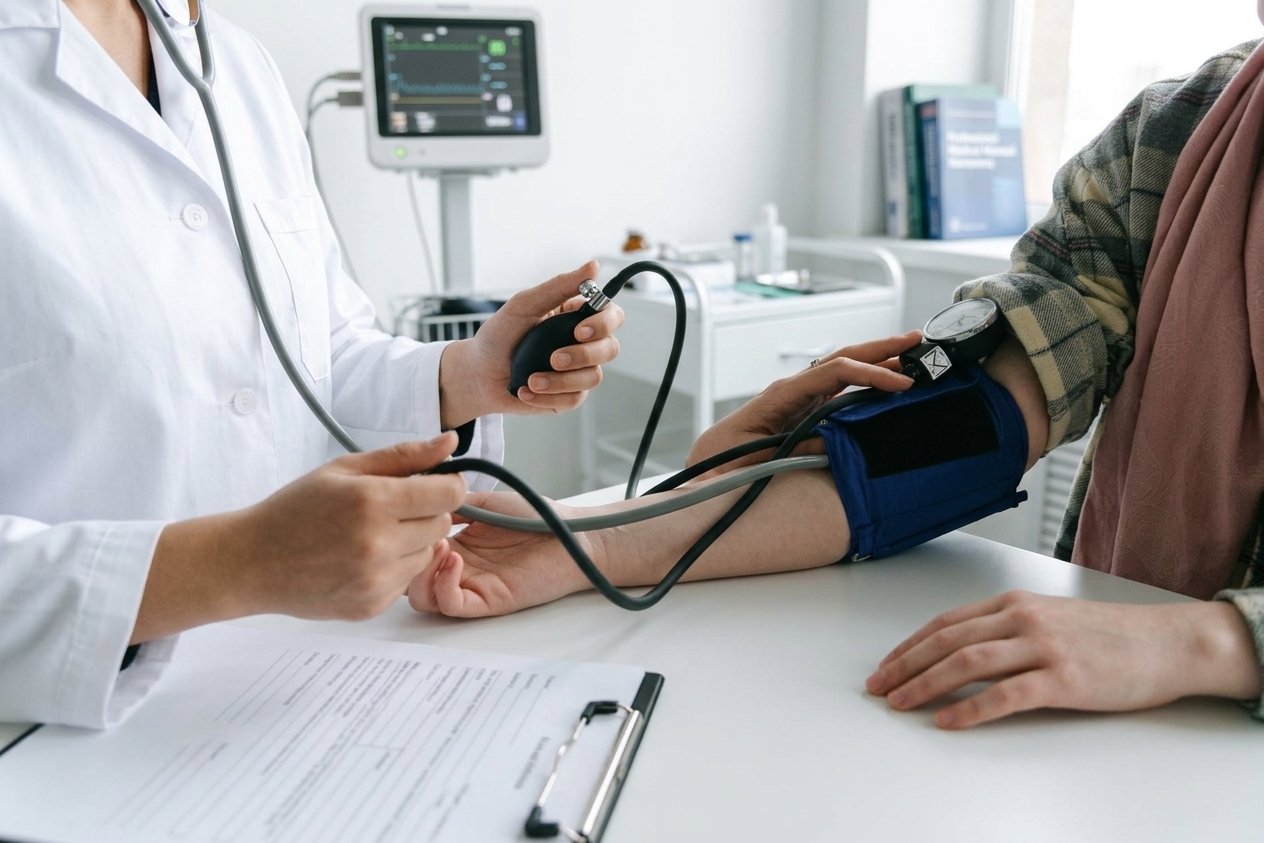
A bad technique gives bad numbers. Follow these steps:
- Use a validated upper-arm cuff. Wrist and finger devices are less reliable.
- Skip coffee, exercise, and smoking for 30 minutes before.
- Sit quietly for 5 minutes, back supported, feet flat.
- Rest your arm at heart level. Don’t talk.
- Take two readings, one minute apart. Do this morning and evening for 7 days.
- Write them down, or save them in an app. Share the average with your doctor.
A note on smartwatches and cuffless gadgets: The American Heart Association published a
scientific statement on these devices in 2026. They are fun for spotting trends. For diagnosis or medical decisions, stick with a proper cuff.
Five habits that lower blood pressure
Small changes add up.
- Eat less salt. Most of it hides in bread, sauces, and ready meals.
- Eat more fruit, veg, and whole grains. The DASH eating plan is a well-studied place to start.
- Move 30 minutes, most days. A brisk walk counts.
- Sleep well. Sleep apnea is a known cause of raised blood pressure. Loud snoring and tiredness are clues.
- Manage weight and alcohol. Even a modest weight loss can bring numbers down.
When to see a doctor
- Your home average is 130/80 or higher over a week.
- You are pregnant, or planning to be, and have high readings.
- Your reading is over 180/120. If you also have chest pain, a severe headache,
If you have confusion, weakness, or trouble speaking, call emergency services immediately.
FAQ:
Q: What is a good blood pressure for adults?
A: Under 120/80 mmHg is considered normal for most adults.
Q: Can I have high blood pressure and feel fine?
A: Yes. It rarely causes symptoms, which is why regular checks matter.
Q: How often should I check?
A: At least once a year if your readings are normal. If you have high blood pressure, follow your doctor’s plan, often daily for a week before appointments.
Final verdict
Blood pressure health is not about one perfect number. It is about knowing your numbers and checking them the right way. Aim for under 120/80, measure at home with a proper cuff, and act
early on small rises. Lifestyle changes work, and the newest research says protecting your blood pressure also protects your brain. This article is for information only and is not medical advice. Speak to a qualified healthcare professional about your own readings.